Anglers, Boaters: Help Stop the Spread of Aquatic Invasive Species
 August 9, 2024
Aquatic invasive species threaten our waterways, but you can help slow their spread with one simple act: cleaning your gear.
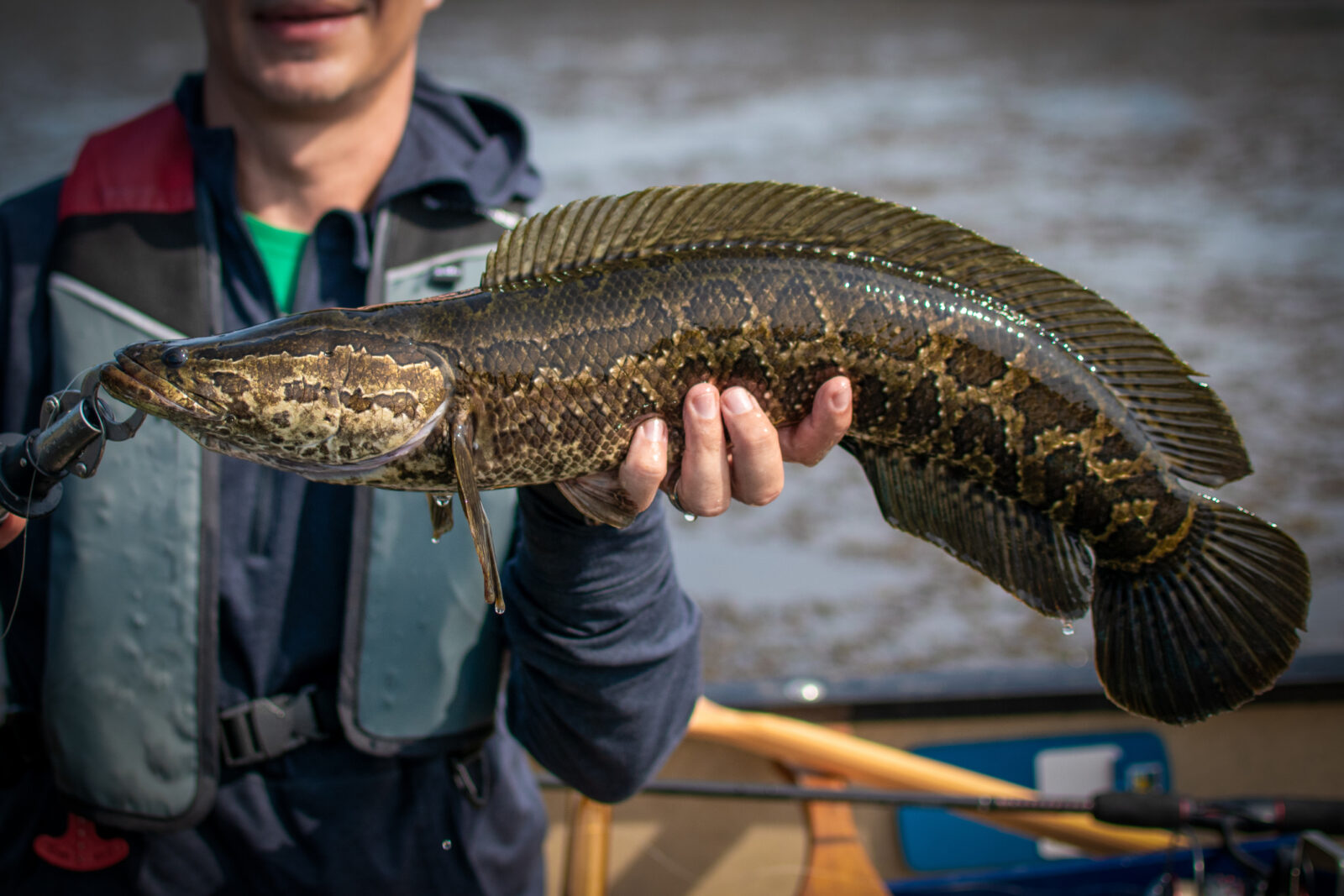
What are invasive species? Any non-native plants and animals that live in areas where they do not naturally exist. In Pennsylvania waterways, that includes certain species of crayfish; the New Zealand Mudsnail; Northern Snakehead (seen in the main photo, above); Zebra and Quagga mussels; and certain plants, such as Golden Alga and Hydrilla.
Invasive species outcompete native species for resources because they have few or no natural control methods, such as predators. They also introduce and spread disease; choke waterways and suffocate native aquatic organisms through unchecked growth; and introduce toxic bacteria.
Cleaning Stops the Spread of Aquatic Invasive Species
The Pennsylvania Fish and Boat Commission (PFBC) asks anglers and boaters to help prevent the spread of invasive species by cleaning their gear after leaving one waterway and before entering another. That means boats, paddleboards, fishing gear, rafts, tubes, inflatable kayaks … anything that comes in contact with the water. In fact, cleaning your gear is the law.

Aquatic invasive species have been discovered all over the state, but of specific local concern is the tiny New Zealand Mudsnail, shown clinging to a rock in the accompanying PFBC picture. PFBC biologists first collected mudsnail specimens in the Little Lehigh Creek west of Emmaus, near the Wildlands Conservancy, in 2018. Since then it has been found in other local waterways.
The snails are tiny — measuring less than one-quarter inch — “with a relatively long, narrow, spiral shell that is generally brown to almost black in color. Like other aquatic invasive species, they disrupt ecosystems by rapidly multiplying and competing with native species for space and food,” a PFBC press release states.
Traveling Troublemakers
According to the PFBC, the New Zealand Mudsnail was first discovered in the U.S. in the Snake River in Idaho and Wyoming in 1987; in Lake Ontario and the St. Lawrence River in 1991; and in Lake Erie about 4 miles north of Presque Isle Bay in 2007. “Additional populations were found in a small stream near the Niagara River in New York in 2008 and in another Lake Ontario tributary in 2011. New Zealand Mudsnails have recently been found in the Gunpowder River in Maryland and in the Musconetcong River in New Jersey (near Riegelsville, PA) which is a tributary of the Delaware River.”
If you see a species that doesn’t look like it belongs, report it to the Pennsylvania Fish and Wildlife Service. Finding invasives early helps regulatory agencies better respond and control them. You should take a photo when possible, and make a note of your location. Then you may call 1-833-INVASIV and leave your report via voicemail.
Cleaning Instructions
Here’s guidance from the U.S. Fish and Wildlife Service on how to properly clean your gear.
- CLEAN off visible aquatic plants, animals, and mud from all equipment before leaving water access.
- RINSE equipment and boat hulls (with high pressure, hot water when possible).
- RINSE interior compartments of boats with low pressure, hot water (120°F).
- FLUSH motor with hot water (120°F) for 2 minutes (or according to owner’s manual).
- DRAIN motor, bilge, livewell, and other water-containing devices before leaving water access.
- DRY everything for at least five days OR wipe with a towel before reuse.
- For anglers, DISPOSE of unwanted bait, worms, and fish parts in the trash. When keeping live bait, drain bait container and replace with spring or dechlorinated tap water. Never dump live fish or other organisms from one water body into another.
Remember: Clean, Drain, Dry… After every waterbody, every time!