Don’t Let F.O.G. Cause a Clog
 July 22, 2026
Don’t look now, but there’s a monster lurking in your pipes somewhere. It’s ugly and greasy and gross, and it wants to make a mess.
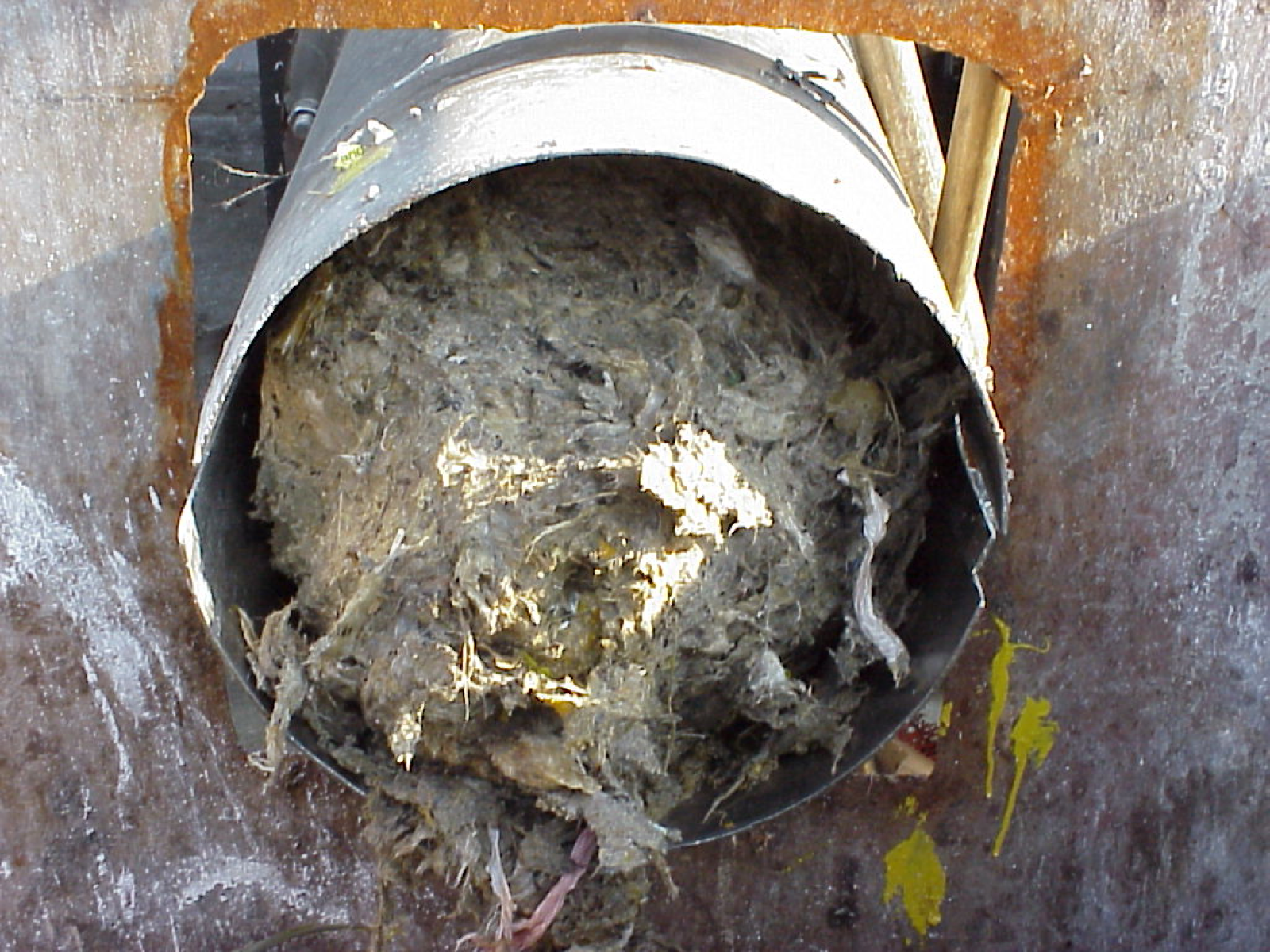
It’s called a F.O.G. monster, and it’s made up of solidified Fats, Oils, and Grease — cooking waste that’s been poured down the drain. Its favorite activities are clogging sewer and wastewater lines and costing you money.
And if you’re not careful about what you wash down the drain, that monster is going to continue growing until it’s big enough to wreak havoc.
It might be just a blocked sink drain and a small (phew!) flood in the kitchen.
Or it might be a (shudder) blocked trunk line — the sewer line that carries wastewater from your house to the outside sewer mains.
And if that causes a flood …. well, ewww.

Either way, the only cure will be an expensive visit from your favorite exorcist plumber.
What Causes F.O.G.?

F.O.G. can be caused by a wide range of food products:
- Baking ingredients
- Butter, lard, shortening
- Cooking oil
- Fats, oil and grease from cooked meats
- Food scraps
- Gravies
- Mayonnaise
- Peanut butter
- Salad dressings
- Sauces
- Sour cream, milk, cheese
Plumbers report that their biggest (and likely most lucrative) call-out times of the year are holidays such as Thanksgiving and Christmas, because so many cooks simply pour fats and grease down the drain, where it quickly cools, solidifies, and causes a backup. The trend of deep-frying turkeys has worsened the problem — one turkey alone can produce about 20 gallons of used cooking oil!
But F.O.G. doesn’t just cause problems in your house: It also makes its way into public sewer lines and cause messy, expensive blockages — those fatbergs we referred to earlier.
And in worst-case scenarios, those fatbergs can cause sewage to back up into homes and neighborhoods.
It’s smelly, unpleasant, unhealthy … and totally avoidable!

A Drain on the System

From Jan. 1 through July 28 this year, in just the City of Allentown Division, Lehigh County Authority crews responded to 132 service requests for sewerage-related problems. Of those callouts, 97 were private property issues/blockages, and 35 were public issues/ blockages, such as grease blocking pipes.
The biggest factors in all the blockages? Grease and non-flushable wipes that have twisted and congealed together.
If the customer requests a service visit, LCA charges a $50 fee if the problem is determined to be on the customer’s property. The customer is then instructed to contact a plumber to fix the internal issue.
If the service call is after hours or on a holiday, the fee is $150. (There is no charge, of course if the issue is found to be with the public sewer system.)
The Simple Solution
Properly disposing of food waste is surprisingly simple.
Restaurant waste lines are equipped with special “grease traps” that capture F.O.G. and other debris that shouldn’t get into the mains. They can be added to residential lines as well.
But for most homeowners, that’s an unnecessary expense — simply being cautious about what goes down the drain should do the trick.
Cooking oil, for instance, can be cooled and reused; or it can be returned to its original container, sealed, and placed in the trash.
The same thing goes for gravy, grease, or fats — when they’re cool, pour or scrape them into a container, such as a tin can, a used sealable bag that you were going to throw out, or an old plastic takeout container or milk jug. Then toss it into the trash.

Butter, salad dressings, dairy products, and meats also contain FOGs. Instead of rinsing them into the disposal unit, scrape them into the trash, too.
“LCA works to ensure that public sewer lines are cleaned and inspected on a regular maintenance schedule. It helps to avoid ‘fatbergs’ and the build-up of F.O.G. and other solids in the mains, which are larger pipes,” says Taylor Stakes, LCA Director of Communications. “However, we see an increase in fats, oils, and grease in our system around holidays like Thanksgiving. Over time, we have become aware of trouble spots, which we address through mechanical or biological intervention to minimize F.O.G. in the system.”
Tips to keep F.O.G. at Bay

- Never pour fat, grease, drippings, or cooking oil down drains. They solidify and cause clogs.
- Poultry skins, bones, salad dressing, butter, margarine, peanut butter, sour cream, yogurt, pasta and rice should get scraped into the trash, not washed into the garbage disposal unit.
- Coffee grounds, potato skins and other vegetable scraps can be composted.
How to properly dispose of F.O.G.

- Pour fats, oils and grease into a can or empty carton
- Put a lid on it
- Cool it in the refrigerator or freezer; add to it until it’s full
- Throw the full, covered can or carton into the trash
And the most important tip of all: Never flush disposable wipes — or anything but human waste and toilet paper!